Alternative & Engineered Septic Design in Arizona
When soil, bedrock, slope, or limited space makes a conventional system unsuitable, Ponderosa Environmental designs an alternative septic solution around your property and county requirements.
A challenging property doesn’t have to end your plans
Learning that your property can’t support a conventional septic system can put your entire project into question. Difficult soil, shallow bedrock, steep slopes, groundwater, drainage, setbacks, or limited space may all affect which options are available.
Ponderosa Environmental reviews the soil findings, property conditions, and building plans to determine whether an alternative system is appropriate. When the site can support one, we develop a design that addresses its specific limitations and gives the county and installer a clear plan to follow.
What is an alternative or engineered septic system?
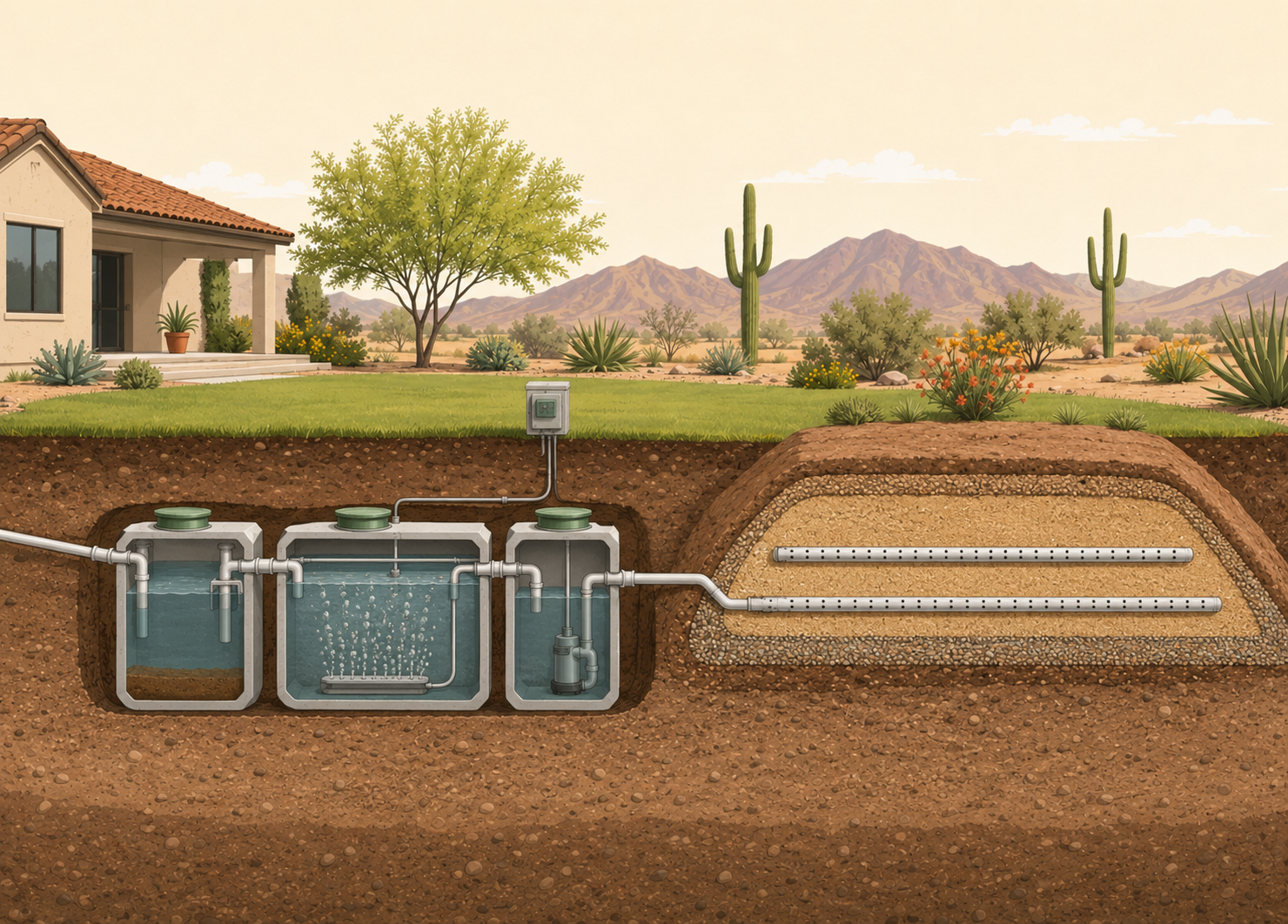
An alternative or engineered septic system uses a different treatment or disposal approach when a Conventional Septic System isn’t appropriate for the property.
Depending on the site limitations, the system may use pumps, controls, pressure distribution, additional treatment, engineered media, or a specialized disposal method. Some designs combine more than one Arizona Type 4 technology to address the property’s conditions.
Ponderosa Environmental uses the Soil Site Investigation, expected wastewater flow, site layout, and applicable requirements to determine the appropriate design. The completed plans support county review, permitting, and installation.
Why might a property need an alternative system?
The right septic system depends on the conditions of the property. These are some of the most common reasons a site may need an alternative design.
Slope and drainage
Steep or uneven terrain and drainage patterns can affect system placement, distribution, and installation.
Limited space and setbacks
Property boundaries, wells, buildings, washes, and planned improvements may limit where the system can be placed.
Soil and subsurface conditions
Difficult soil, shallow bedrock, or groundwater may affect how wastewater must be treated and dispersed.
Conventional vs. alternative septic systems
| Category | Conventional system | Alternative system |
|---|---|---|
| Best suited for | Sites meeting standard soil, space, and setback requirements. | Sites limited by soil, rock, slope, groundwater, or space. |
| Distribution | Gravity typically moves wastewater to the disposal area. | Pumps or pressure may provide more controlled distribution. |
| Treatment | Uses a septic tank followed by soil-based treatment. | May add treatment units, engineered media, or specialized disposal. |
| Components | Generally uses fewer mechanical components. | May include pumps, controls, alarms, or treatment equipment. |
| Cost and upkeep | Usually simpler to install and maintain. | Added equipment may increase installation and maintenance needs. |
| System selection | Used when the site supports a standard design. | Designed around the property’s specific limitations. |
How the alternative septic design process works
Alternative septic design involves more problem-solving than a conventional system. We start with what we know about the property, determine which type of system makes sense, and prepare the plans for county review.
-
Tell us what you plan to build and share any soil reports, site plans, or previous septic records.
-
We look at the soil, rock, slope, groundwater, setbacks, and available space to understand what the site can support.
-
We compare the available options and select a treatment and disposal method that fits the property and proposed project.
-
We create the system layout and put together the documents needed for the county application.
-
We submit the application, respond to county questions, and explain what needs to happen next.
Know what your system will require
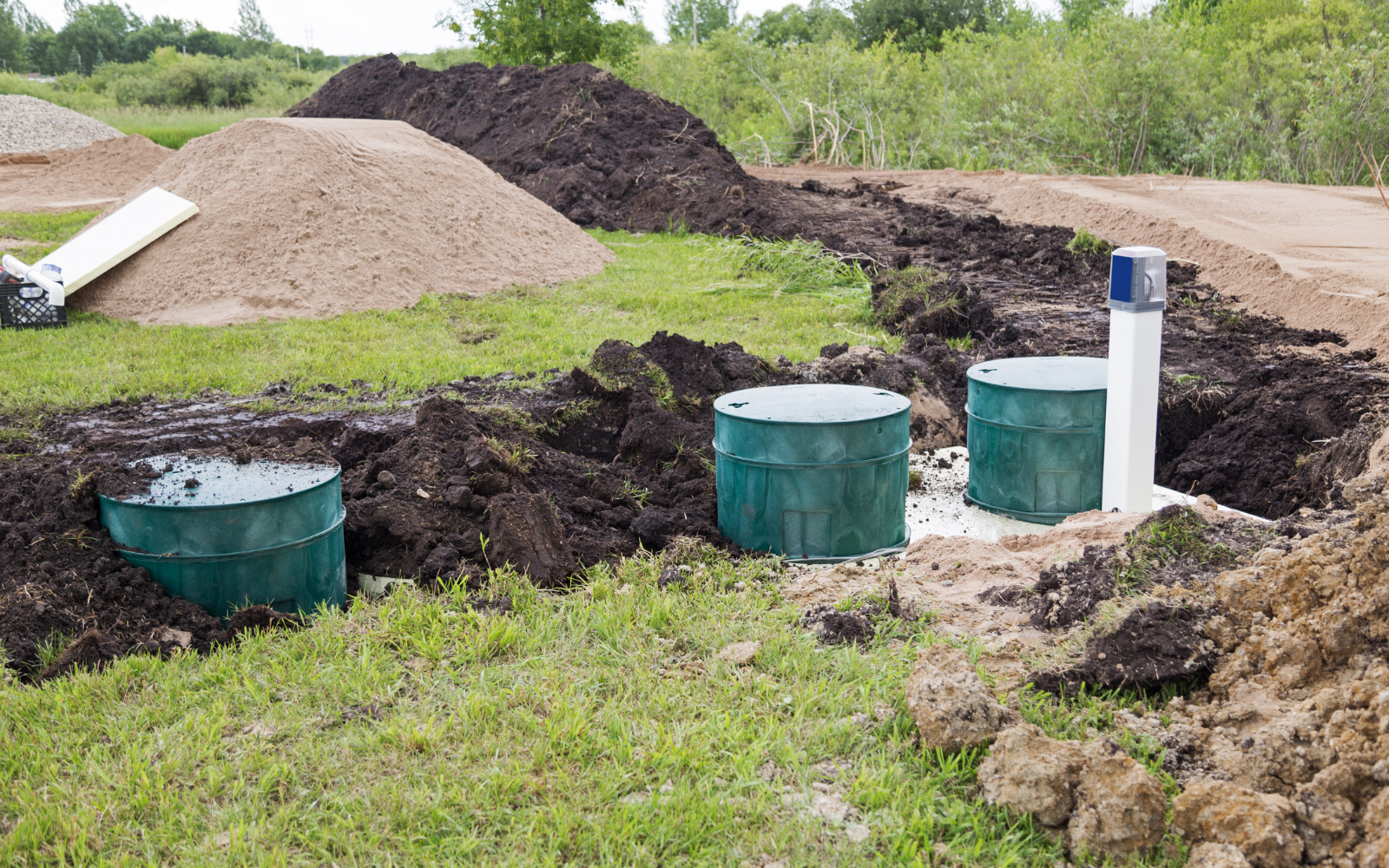
Alternative systems can include pumps, controls, treatment units, or other components that a conventional system doesn’t use. These features can affect installation, cost, and ongoing maintenance. The right setup depends on the property and project, not on choosing the most complicated option.
Ponderosa Environmental explains why a particular system is being used, what the design includes, and what to expect during permitting and installation. You’ll know what you’re moving forward with before work begins.
Why work with Ponderosa Environmental?
30+ Years of Experience
A fully qualified team with decades of septic planning experience.
Complete Project Support
Investigation, design, county submission, and permit coordination in one place.
Statewide Service
Alternative and engineered septic design for projects across every Arizona county.
Clear Next Steps
We’ll explain your project’s scope, requirements, and next steps from the start.
One team through county submission
Alternative systems can involve extra design details, equipment requirements, and county review. Ponderosa Environmental keeps the work connected from the soil findings through the application, so you don’t have to chase multiple people for answers.
Frequently asked questions
-
An alternative septic system uses treatment or disposal methods beyond a conventional gravity-fed system. It is designed for properties where soil, rock, slope, groundwater, space, or other conditions make a conventional system unsuitable.
-
The soil investigation and site review help determine which type of system the property can support. Ponderosa Environmental reviews those findings before recommending a design.
-
Reliable soil and site information is needed before the system can be selected and designed. If your property hasn’t been evaluated yet, Ponderosa can handle the soil site investigation.
-
Depending on the property, a design may include pressure distribution, additional treatment, an engineered pad, a mound, a sand-lined trench, drip disposal, or another approved method. Not every option is suitable for every site.
-
They can. Pumps, controls, treatment units, and specialized disposal methods may add to installation and maintenance costs. The actual cost depends on the property conditions and final design.
-
Yes. Ponderosa Environmental can prepare the design and supporting documents, submit the application, and coordinate with the county during review.
Contact us for your free quote!
ponderosaenvirodesign@gmail.com
(845) 737-6487